Meet the Leads
The student leaders driving our University Rover Challenge program.

David Thuc
Arm Module Lead
Leads the design and development of the robotic arm, including kinematics, control algorithms, and end-effector design.

Matthew
Rover Module Lead
Leads the overall rover design, including chassis, suspension, and mobility systems to ensure the rover can traverse the competition terrain.

Primitivo Rodriguez III
Autonomy Module Lead
Leads the development of autonomous navigation systems, including path planning, obstacle avoidance, and computer vision algorithms.
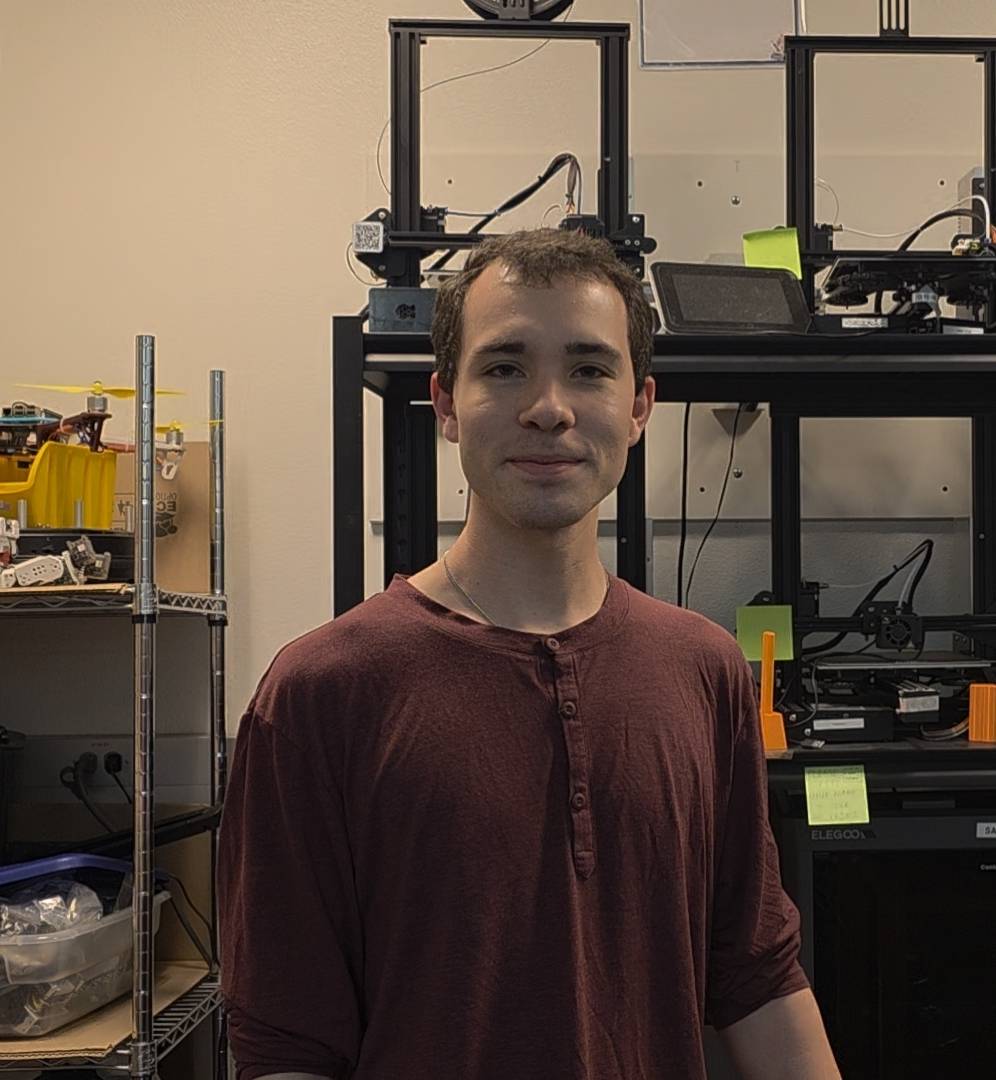
Alec Graves
Science Module Lead
Leads the design and implementation of scientific instruments and experiments for soil analysis and life detection on Mars.

Karina Parra
Science Module Sub-Lead
Works closely with the lead on project roadmap, task mitigation, and achieving milestones. Primarily works on project instrument calibration and integration.

Abhishek Das
Drone Module Lead
Leading the development of the assistive drone module via development of a high-endurance aerial system. Tasked with establishing SMART goals that maximize task efficiency and streamline development timelines.
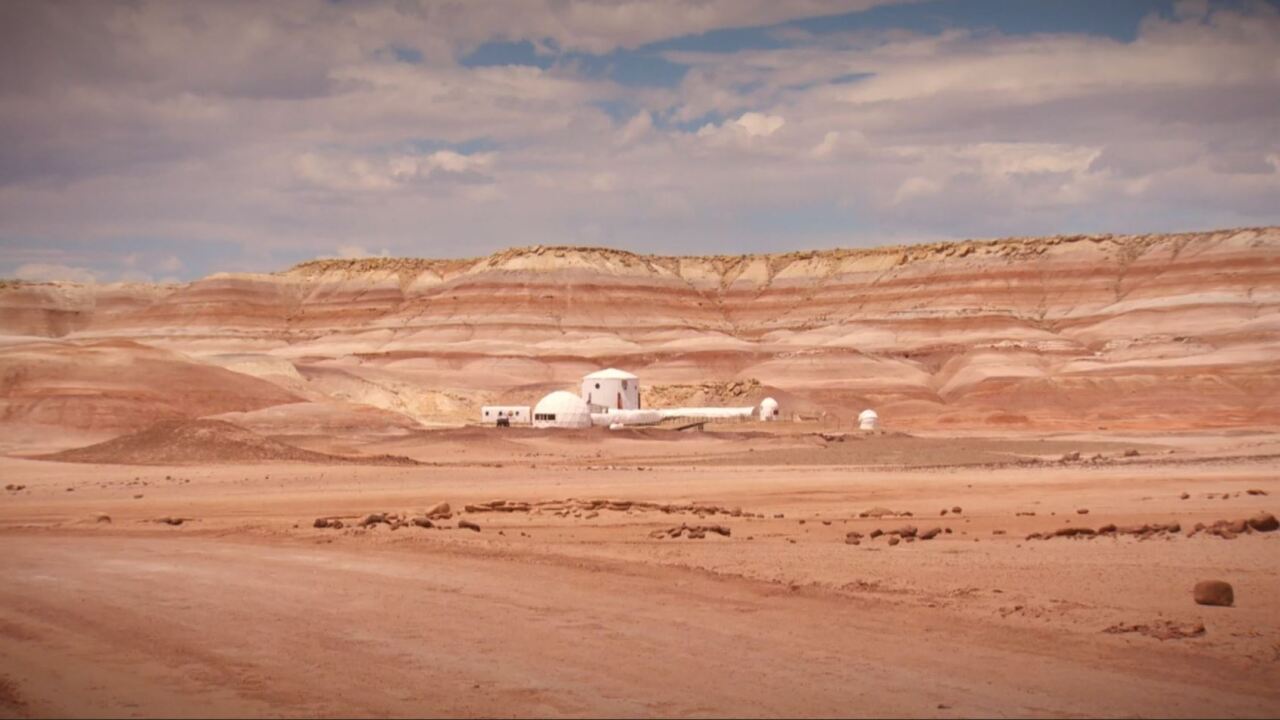
Where Does the Competition Take Place?
The University Rover Challenge is held at the Mars Desert Research Station (MDRS) in Utah, USA.
MDRS is a simulated Martian environment featuring rugged desert terrain, rocky outcrops, and geological formations that closely resemble Mars.
Teams must navigate this extreme landscape while completing complex mission tasks under real-world constraints.